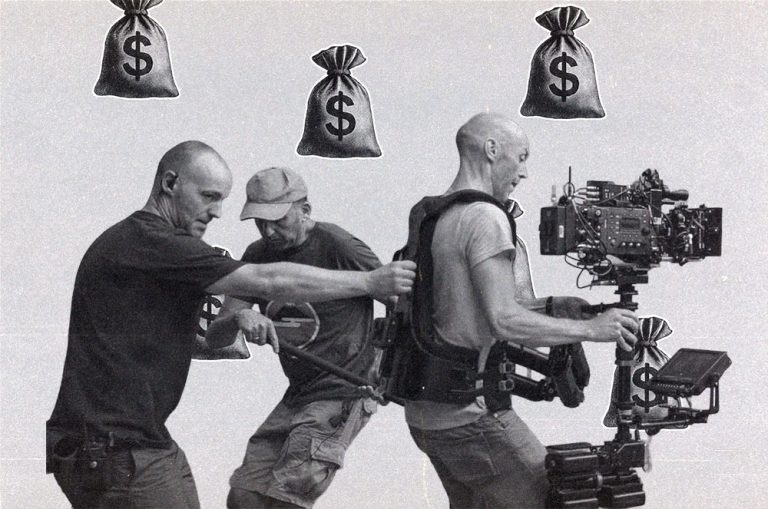
Film unions and guilds help filmmakers with training, legal rights, and, most importantly, making sure you’re paid fairly. They also provide benefits like health coverage, contracts, and on-set protection. If you’re new to the industry, you can check out our production crew rates guide to learn more about pay standards.
In the U.S., joining a film union is often essential if you want to work on major film or TV sets. In other countries, joining isn’t always required, but unions and guilds still come with major benefits, especially for freelancers and indie filmmakers.
What’s the Difference Between a Union and a Guild?
Unions and guilds serve similar purposes; both exist to protect film workers. A union represents employees and negotiates directly with studios to secure fair contracts, benefits, and safe working conditions. A guild is often a professional association that supports members in the same craft, like writers or directors, helping them network and set industry standards.
In short, both unions and guilds exist to protect you and your career. Some even include both terms in their name, for example, the Screen Actors Guild (SAG-AFTRA) is technically a union. The important thing is finding the one that fits your role and career goals.
Major Film Unions & Guilds
Below is a list of the major film unions and guilds across departments, from camera and sound to directing and producing. Each helps protect workers’ rights and ensure fair pay and safe conditions on set.
IATSE (International Alliance of Theatrical Stage Employees)
IATSE is the largest film union in the U.S., representing almost every crew department apart from acting. Members gain access to wage rates, overtime pay, legal support, health care, and safety training. If you work behind the camera, chances are IATSE covers your role.
Teamsters
Teamsters is a massive trade union with divisions for film and television. They represent drivers, casting assistants, location managers, and catering staff. With 14 offices across the U.S., they’re a strong option for below-the-line crew seeking fair pay and job protection.
WGA (Writers Guild of America)
The WGA represents screenwriters in film, TV, and digital media. They handle pay negotiations, contracts, and credit rules for writers. To join, you’ll typically need paid writing experience or a produced feature-length script.
DGA (Directors Guild of America)
The DGA covers directors, assistant directors, unit production managers, and stage managers. Members receive health insurance, legal protection, and contract negotiation support. Joining requires verified work experience—usually at least 400 days on professional productions.
PGA (Producers Guild of America)
The PGA represents producers, associate producers, and production managers. They provide networking, wage guidance, and job alerts. To join, producers usually need credits on at least two theatrically released films or a short screened at a qualifying festival.
ASC (American Society of Cinematographers)
The ASC is an invitation-only guild that honors excellence in cinematography. While membership is exclusive, any DOP can be invited regardless of nationality. Non-members can still benefit by subscribing to their educational magazine and events.
Local 600 (International Cinematographers Guild)
Local 600 is part of IATSE and represents camera crew, including operators, DITs, and film loaders. Members receive safety training, health benefits, and negotiated pay rates. It’s one of the most active unions for camera professionals in the U.S.
Editors Guild
The Editors Guild (also part of IATSE) covers post-production professionals, from editors and sound designers to colorists and Foley artists. Benefits include healthcare, pensions, and standardized pay rates.
Art Directors Guild (ADG)
The ADG covers production designers, art directors, illustrators, graphic designers, and model makers. They offer health benefits, workshops, and networking opportunities. To join, you’ll need verified professional experience in your field.
AFM (American Federation of Musicians)
The AFM represents musicians working in film, TV, and advertising. Members gain access to contract negotiation, fair pay standards, and healthcare. Anyone can join, from solo musicians to full orchestras.
Costume Designers Guild (CDG)
The CDG represents costume designers, assistants, and illustrators. They provide career support, healthcare, and fair wage protection. To qualify, you’ll typically need at least one professional credit and a letter of reference.
MUAHS (Make-Up Artists and Hair Stylists Guild)
The MUAHS Guild is part of IATSE and supports makeup artists and hairstylists. Members benefit from health insurance, pay rate guidelines, and contract advice. You’ll generally need three years of professional experience to apply.
Casting Society
The Casting Society (CSA) supports casting directors in film, TV, and theater. They offer networking, job alerts, and training opportunities. Membership requires around 100 work weeks in casting, plus references from industry peers.
Location Managers Guild (LMGI)
The LMGI represents location managers, scouts, and assistants working in film, TV, and commercials. Members gain access to networking events, training, and industry advocacy. You’ll need professional experience and references from existing members to join.
SAG-AFTRA (Screen Actors Guild – American Federation of Television and Radio Artists)
SAG-AFTRA represents film, TV, and voice performers. Members receive healthcare, pension benefits, access to casting databases, and industry support. To join, you usually need three professional credits and a demo reel.
Summary
Joining a film union or guild can open doors to better jobs, fairer pay, and a stronger professional network. While some require experience to apply, you can gain that through independent projects, networking, or student films. Start small, keep building your credits, and you’ll soon qualify for membership.
If you’re unsure where to start, talk to other filmmakers about their experiences—word of mouth can be one of the best ways to find the right fit for your career.