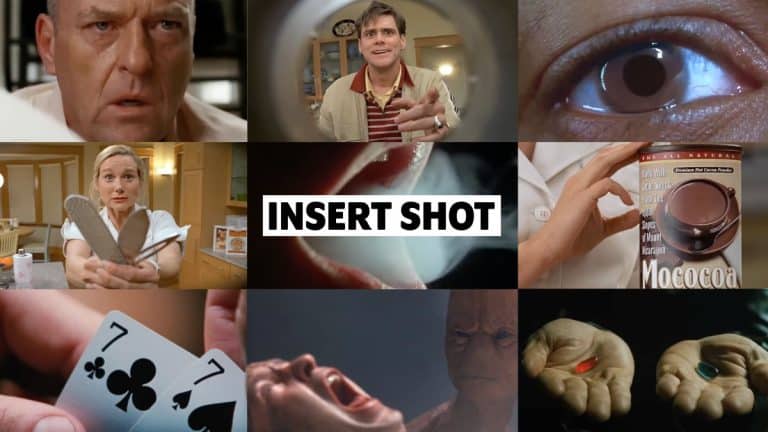
There are many filmmaking shot types used to tell a story, but the insert shot helps connect them all.
I used to think insert shots were just extra coverage for scenes, but they’re so much more than that.
With precise planning and execution, insert shots can pack a serious cinematic punch.
In this article, you’ll learn what an insert shot is, why filmmakers use them, where you’ve seen insert shot examples in famous films, and how you can use them to enhance your own storytelling.
Let’s dive into this dynamic shot technique.
What Is an Insert Shot?
An insert shot, often just called an insert, directs the viewer’s attention to a specific detail within a scene that isn’t clearly visible in a wider shot. These visuals are deliberate, and the audience knows exactly where to look.
Insert shots are often used to highlight an important object, show a character’s point of view during a focused moment, or provide crucial story context. They can also act as powerful narrative devices in visual storytelling.
Most importantly, an insert shot isn’t just a close-up; it’s a functional storytelling tool designed to deliver specific information.
Insert Shot vs Cutaway Shot: What’s the Difference?

Insert shots and cutaway shots are often confused or used interchangeably, but there’s an important distinction.
Both provide context, but they serve different purposes:
- Insert Shot – A shot of an object or detail within the current scene
- Cutaway Shot – A shot that takes the viewer outside the present scene to provide additional visual context
Understanding insert shot vs cutaway differences helps you use each shot with intention.
Why Use an Insert Shot in Film?
Insert shots help shape the audience’s emotional experience while pushing the story forward. They’re one of the most versatile tools in filmmaking.
Common reasons to use insert shots:
- Highlight a key object
- Reveal a character’s point of view
- Deliver narrative information
- Signal a plot twist
- Introduce symbolism
- Plant a clue
- Build tension
- Transition between moments or scenes
As you can see, cinematic insert shots are powerful tools for enhancing emotion, clarity, and narrative momentum.
Insert Shot Examples from Film & TV
Insert shots are often used to show what a character does or doesn’t know, pulling the audience deeper into the story.
Let’s look at some well-known insert shot examples from film and television.
The Truman Show (1998)
In this scene, Truman and his wife shift from a calm conversation to a threatening confrontation. Once Truman begins to suspect his life is staged, she deflects by awkwardly presenting cocoa beans like an infomercial host (insert shot).
As Truman grows more desperate, we see inserts from her point of view, and knives on the kitchen counter become her only defense. These insert shots escalate the tension and push the scene toward disaster, ultimately forcing her to break the illusion of the entire production.
Memento (2000)
In this gripping scene, we see a series of quick insert shots as Natalie hides pens in her purse. These inserts allow her to exploit Leonard’s memory condition by preventing him from taking notes.
The fast pacing forces the audience to process information just as quickly and imperfectly as the character.
Rounders (1998)
Lester attempts a risky poker hustle against a room full of cops. Insert shots from Mike’s point of view pull the audience into the winning hand.
When the cheating is revealed, the tone shifts instantly. Because of the inserts, the audience feels complicit and shares the consequences.
Breaking Bad
In this iconic scene, Hank picks up a Walt Whitman book while sitting on the toilet. An insert shot reveals the initials “W.W.”
This sparks a cutaway flashback of Walter sarcastically confessing, before returning to an insert of Hank realizing the truth. Together, insert shots and cutaways deliver one of the show’s most memorable plot twists.
Fire in the Sky (1993)
A rapid series of insert shots intensifies this alien abduction scene. The fragmented visuals overwhelm the viewer, mirroring the character’s confusion and fear.
Once on the operating table, clinical insert shots create a deeply unsettling sense of horror.
Requiem for a Dream (2000)
This film uses repeated insert shots to depict drug use: opening containers, preparing doses, ingesting, and reacting.
The repetition becomes a visual rhythm, powerfully illustrating the characters’ downward spiral and addiction.
5 Ways to Use Insert Shots Effectively
Insert shots deserve just as much planning as any other shot.
Here are five ways to use them to enhance your scenes.
1. Style
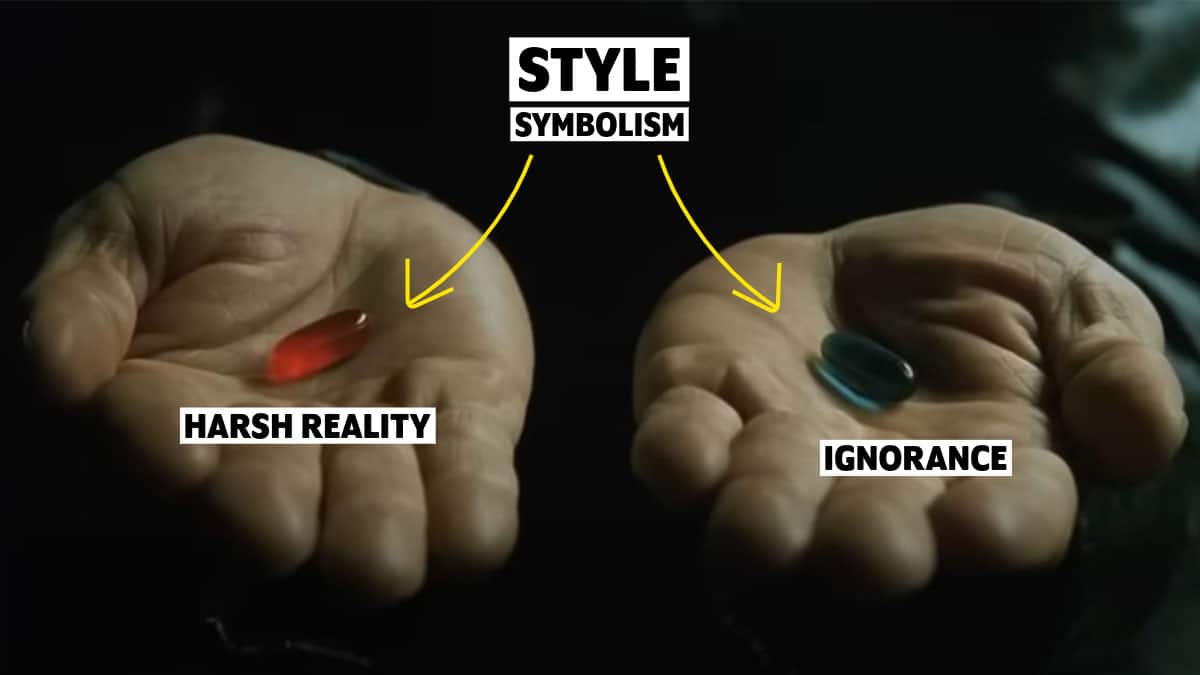
Insert shots are opportunities to get creative and memorable.
For example, The Matrix (1999) uses the red and blue pill insert shot to symbolize two completely different realities. A single insert conveys theme, plot, and character choice.
Many shows also open episodes with insert shots to plant clues. Breaking Bad famously used this technique in every episode opening.
2. Composition
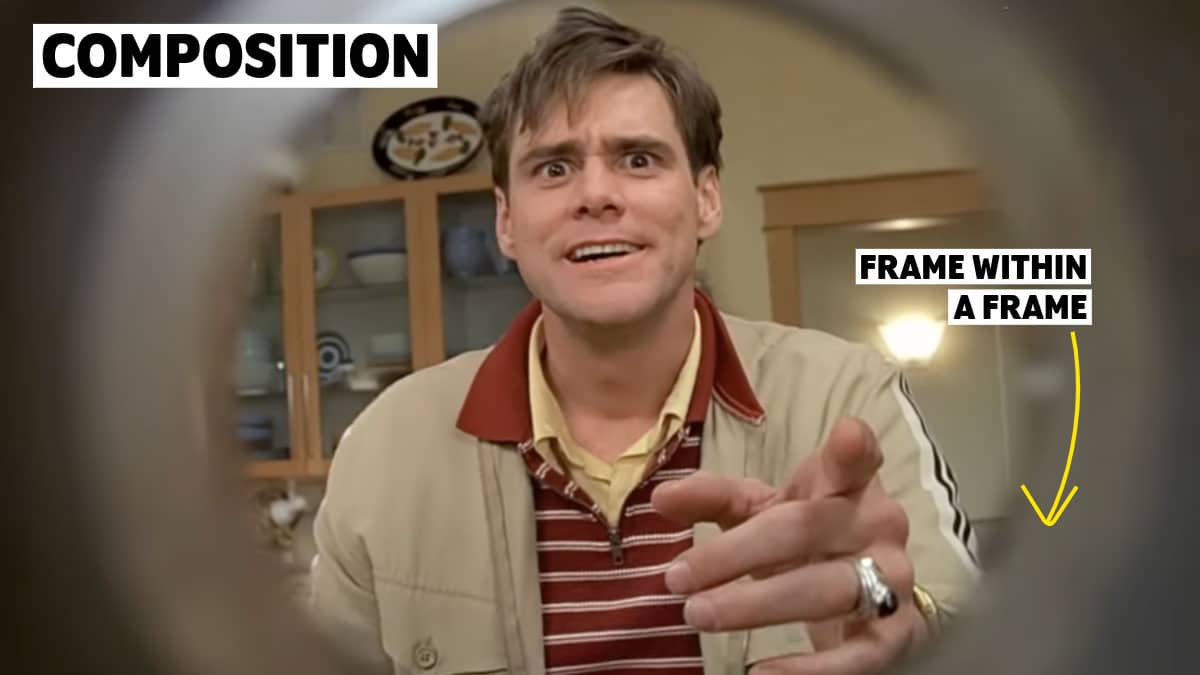
Use classic composition techniques like the Rule of Thirds or frame within a frame to guide the viewer’s eye.
Telephoto lenses work well for close-ups, while macro lenses are ideal for extreme close-ups. A shallow depth of field helps isolate the detail that matters most.
3. Lighting
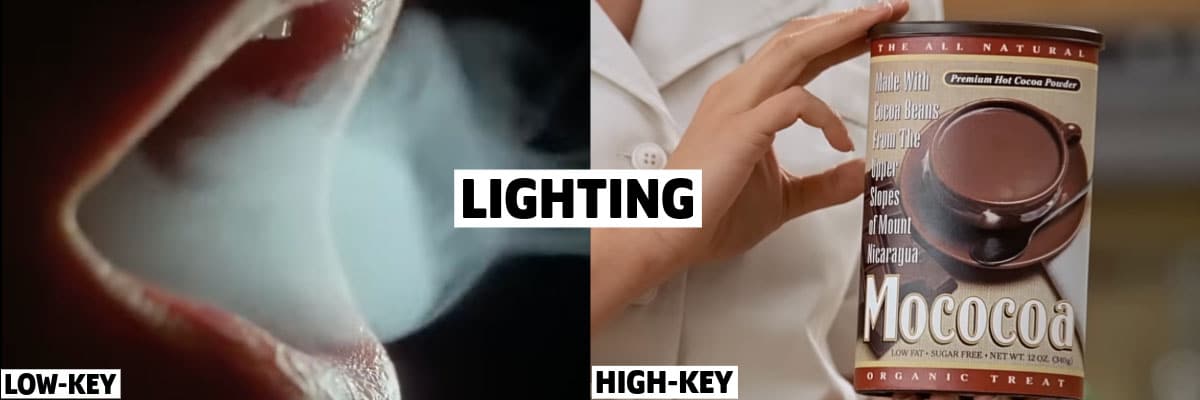
Lighting plays a huge role in setting tone.
High-key lighting suggests openness and clarity, while low-key lighting adds contrast and mystery. Side lighting, backlighting, and color pops all work especially well for insert shots.
4. Movement
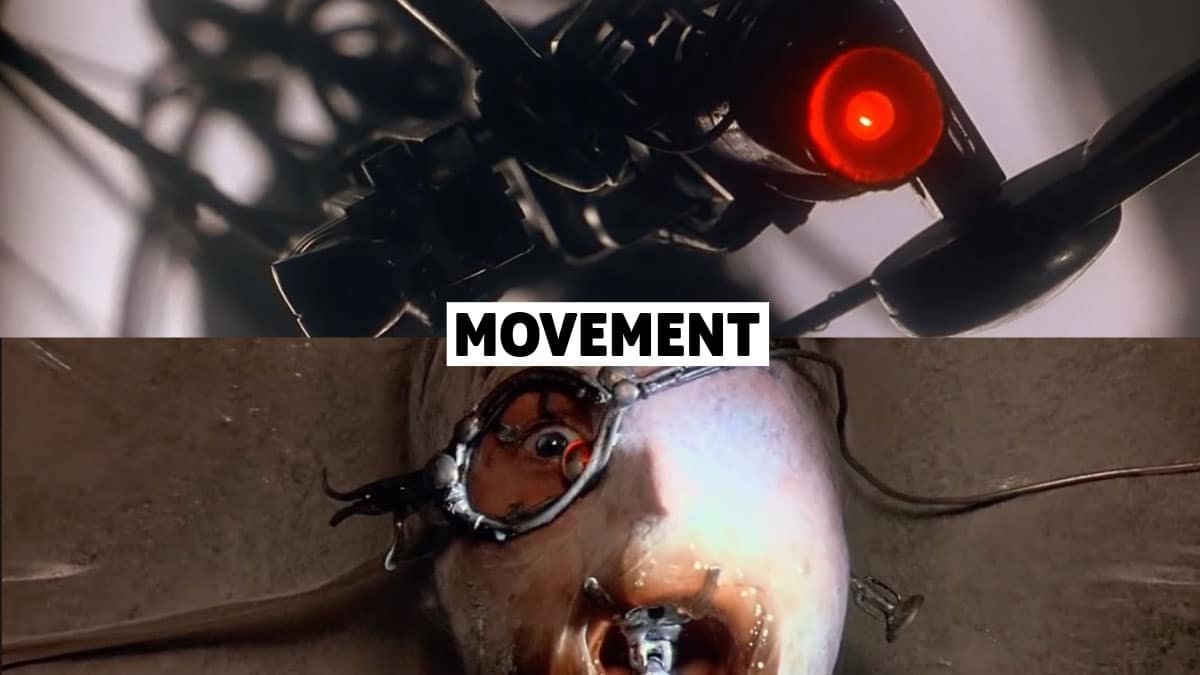
Your insert shots should match the visual language of your film. They can be static, handheld, slow zooms, or tracking shots.
Continuity is key, but thoughtful movement can add energy and emphasis.
5. Placement & Timing
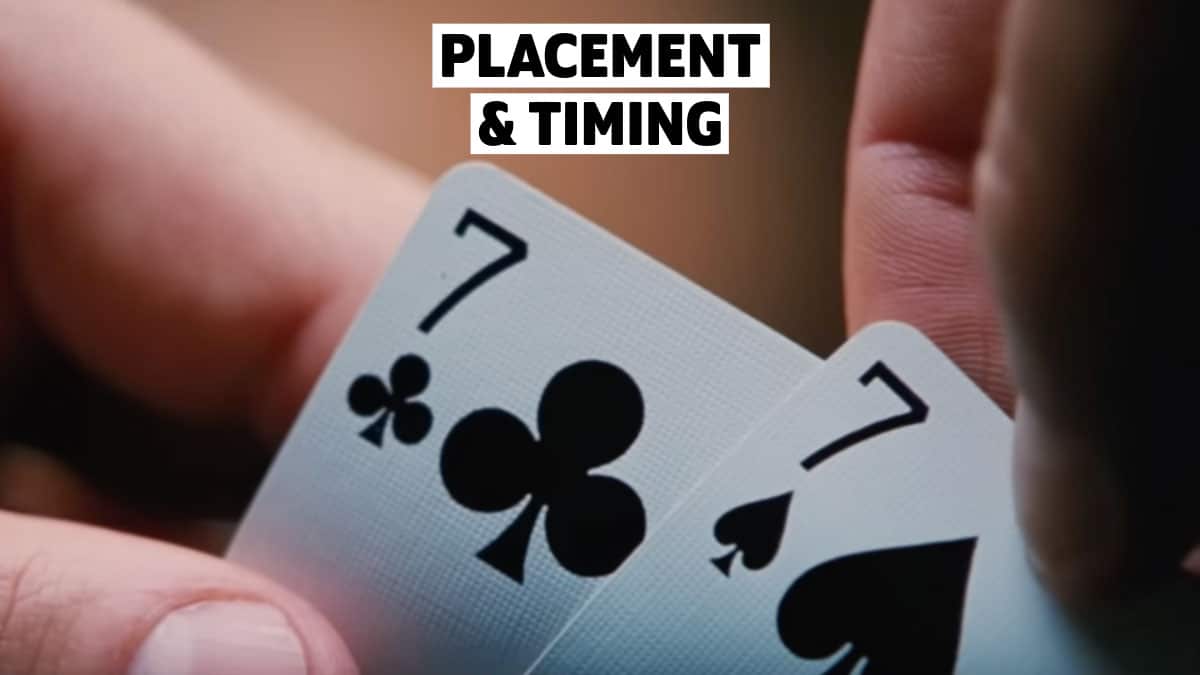
Placing inserts at the right moment is crucial for creating the desired effect on the audience. Timing is everything.
- Short insert shots create urgency or withhold information
- Longer inserts give the audience time to process and connect the dots
Screen time should reflect the importance of the detail.
Wrapping Up
Insert shots aren’t just extra coverage—they’re essential storytelling tools and a key part of cinematic language.
Whenever possible, film multiple versions of the same insert shot. This gives editors more flexibility and opens up creative options in post-production.
Experiment, take risks, and find new ways to use this powerful filmmaking technique. Now go create something we’ve never seen before.