
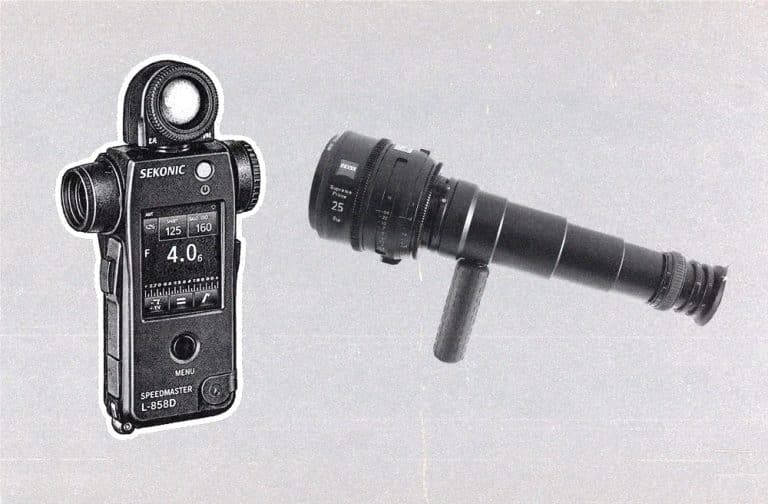
aka: director of photography, DoP
A cinematographer (also known as the director of photography, or DoP) is responsible for how a film is visually captured. They lead the camera and lighting departments and work closely with the director to shape how the film looks on screen.
The cinematographer helps translate the story into images, making decisions about lighting, framing, movement, and overall visual style.
What Does a Cinematographer Do?
A cinematographer’s responsibilities span pre-production and filming, with some involvement in post-production depending on the project. The role is both creative and technical, balancing visual ideas with practical limits.
| Stage | Typical responsibilities |
|---|---|
| Pre-production | Work with the director to define the visual style of the project. Break down the script, scout locations, plan lighting approaches, and help assemble the camera and lighting team. This stage is about preparation and solving problems before the shoot begins. |
| Production | Lead the camera and lighting departments on set. Decide how scenes are lit and framed, adapt setups as conditions change, and work closely with the director to make sure the visuals support the story. |
| Post-production | May stay involved to review footage, give input on colour grading, and help make sure the final image matches the intended look. The level of involvement varies by project. |
Who Does the Cinematographer Work With?
- Director – works closely to translate the story into a visual language.
- Camera team – operators, focus pullers, and assistants who handle camera setup and operation.
- Lighting team – gaffers and electricians responsible for lighting execution.
- Production Designer – coordinates visuals so sets, costumes, and lighting work together.
- Producer – balances visual ambition with budget and schedule.
How the Role Changes on Smaller Productions
On smaller or independent productions, cinematographers often take on more hands-on responsibilities. They may operate the camera themselves, work with a smaller lighting team, or adapt quickly to limited locations and resources.
Cinematographer vs Director
The director is responsible for storytelling and creative direction. The cinematographer focuses on how that story is visually captured through camera and lighting choices. The two roles are closely linked and rely on constant collaboration.