Film Director

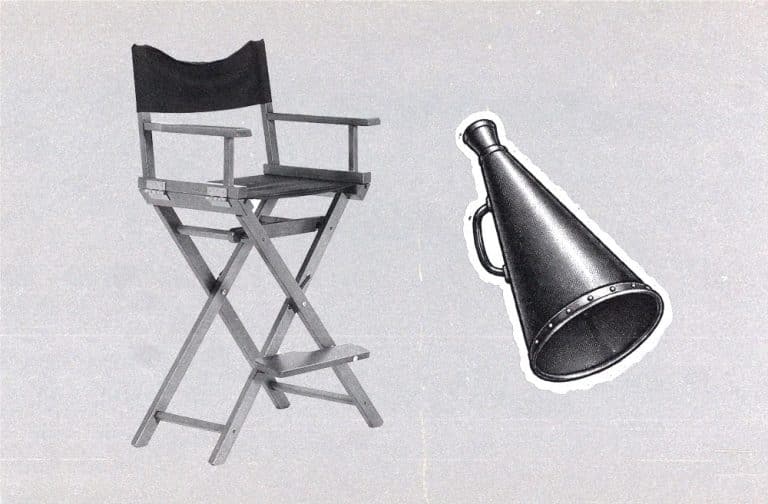
Director’s chair next to a vintage megaphone

If you’ve ever watched a movie and thought, “I know exactly how I’d shoot this,” then you’ve already stepped into the headspace of a film director.

It’s a role that demands imagination, confidence, problem-solving, and the ability to communicate clearly. For someone who loves bringing stories to life, directing can be one of the most fulfilling careers in the industry.

What Is a Film Director?

A director is the person who turns a written script into a visual story on screen. They guide the cast and crew, shape the tone and style, and make the creative decisions that define the final film.

Directors work closely with producers, cinematographers, screenwriters, and actors to make sure everyone’s working toward the same vision. Whether it’s a short film, commercial, music video, or full-length feature, the director is the creative leader from start to finish.

What Does a Film Director Do?

A director’s responsibilities shift depending on crew size, budget, and the type of project. But the role always revolves around creative leadership. Here’s a quick breakdown of what directors actually do at each stage of production:

StageResponsibilities
Pre-Production– Break down and visualize the script
– Develop the film’s tone, pacing, and style
– Hire key crew members with the producer
– Approve final casting decisions
– Collaborate with the cinematographer on shot ideas
– Work with the assistant director to plan the shooting schedule
– Rehearse scenes with actors
Production– Block scenes and direct actors
– Guide the crew creatively and practically
– Review each take and adjust performances
– Work closely with the cinematographer on framing and lighting
– Keep the set running smoothly and on schedule
Post-Production– Give notes during the edit
– Approve rough cuts and final cuts
– Oversee color grading and sound design
– Help shape the music and final audio mix
– Support marketing and promotion when needed

Even on indie projects, these responsibilities stay largely the same. On union productions, a director’s role is structured and protected by organizations such as the Directors Guild of America (DGA).

Skills You Need to Become a Film Director

You don’t need a college degree to become a director, but you do need a mix of creative instincts and practical skills. These develop naturally the more you direct and collaborate on sets.

  • Leadership: You’re guiding actors, department heads, and the crew.
  • Communication: You need to express your ideas clearly and confidently.
  • Creativity: Visual storytelling is at the heart of directing.
  • Organization: Pre-production planning is crucial, no matter the budget.
  • Film knowledge: Understanding cinematography, editing, sound, and story structure.
  • Problem-solving: Shoots rarely go exactly as planned.
  • Collaboration: Directing is never a solo job.
  • Networking & pitching: Much of directing involves convincing others to trust your vision.

These skills grow with experience, and every project teaches you something new.

How to Become a Film Director

There’s no single route into directing. Some directors come through film school, some through indie filmmaking communities, and others by climbing the crew ladder. The important thing is gaining practical experience and building a strong body of work.

Ridley Scott explains how he built his directing career, from commercials to feature films, and what aspiring directors should focus on early.

Here are a few steps to help you build experience.

1. Start Making Your Own Short Films

This is the quickest way to learn the craft. Shoot small projects with friends, join 48-hour film challenges, or collaborate with local creatives. You don’t need expensive gear — modern cameras and even smartphones can produce impressive results.

Focus on story, performance, and learning how to communicate your vision on set. Each short film becomes a stepping stone and a portfolio piece.

2. Learn the Entire Filmmaking Process

Great directors understand every department’s role. This makes communication easier and helps you make better creative decisions.

  • Cinematography
  • Editing
  • Sound
  • Lighting
  • Production roles
  • Script analysis

You can learn through online courses, workshops, YouTube tutorials, or by volunteering on sets. Many directors credit hands-on indie or student sets as where they built their foundation.

3. Build a Director Portfolio and Showreel

Your portfolio is your calling card. Once you’ve created a few projects, put together a simple website that includes:

  • Your directing showreel
  • Links to your best work
  • A short bio explaining your background and directing style
  • Contact information

Producers, agencies, and reps want to instantly understand who you are and what kind of stories you tell.

4. Work on Film Sets to Gain Experience

Some directors begin as production assistants, assistant directors, or camera trainees. Others come from theater or advertising. Working on set teaches you how professional productions run and helps you meet people who may hire or recommend you later.

In major filmmaking hubs like Los Angeles, New York, and Atlanta, on-set experience is one of the fastest ways to become part of the industry.

5. Network and Collaborate Consistently

Directing jobs rarely come from cold emails — they come from relationships.

  • Working on short films
  • Joining online filmmaker groups
  • Attending screenings, workshops, networking events, or meetups
  • Collaborating with cinematographers and writers
  • Getting involved in local film communities

Many directors land their early gigs through peers they met on smaller projects.

Finding Film Director Jobs

Getting your first directing jobs usually takes time, but here’s where most new directors find early opportunities:

  • Indie short films and microbudget projects
  • Music videos
  • Branded content, social media ads, and corporate videos
  • Collaborations with cinematographers or writers
  • Online job boards and filmmaker platforms

As your experience grows, you can pitch to production companies, join a director roster, or connect with commercial agencies. Some directors eventually sign with representation, which opens doors to bigger-budget work.

How Much Do Film Directors Make?

A director’s income varies widely depending on experience, project type, production budget, and negotiation.

Many established directors also work with agents who help negotiate higher-budget opportunities. As your portfolio and reputation grow, your earning potential increases significantly.

Project TypeHow Directors Are Typically Paid
Union Feature FilmsPaid under agreements that set weekly minimums based on budget level. Rates vary widely, and many directors negotiate above minimums.
CommercialsOften earn a flat fee or a percentage of the total production budget. High-budget campaigns can pay very well; smaller shoots vary.
Branded ContentPaid per project or per day, depending on agency or client budgets. A common and steady source of freelance directing work.
Music VideosPay ranges from low fees for indie artists to competitive rates for major label projects. Many directors take music videos for creative reasons.
Short FilmsTypically low-paid or unpaid, especially early in a director’s career. Often done for portfolios, festivals, or passion projects.

As you can see, there’s no universal rate for directors, especially on union projects, where pay is typically based on weekly minimums and contract terms.

However, if you want a rough idea, then check out our production crew rates, which give specific examples based on a 12-hour day.

FAQs

Do I need to go to film school to become a film director?

Film school can help with learning the basics and meeting collaborators, but it’s not required. Many directors learn through hands-on projects and working on sets.

How long does it take to become a film director?

There’s no fixed timeline. Some directors start getting work after a few short films, while others spend years building experience before landing their first major job.

How do film directors get their first job?

Most directors start small — short films, music videos, branded content, or passion projects. Your first directing opportunity often comes through networking, referrals, or someone discovering your work online.

Is being a film director stressful?

It can be. Directors make a lot of creative decisions under pressure, but if you enjoy problem-solving and leading teams, the challenge can be energizing.

What’s the difference between a producer and a director?

The producer handles logistics, budgeting, and overall production. The director focuses on storytelling, performances, and creative decisions. Both roles work closely together throughout the project.